Posted on March 13, 2025
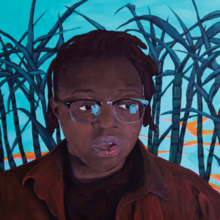
Anjimile’s Giver Taker would do well to be filed under: a sovereign sibling to tUnE-yArDs and Sufjan; songs that make you feel possible; songs that make queerness feel possible; what I wish I had at-hand when I was coming out; the embodied voice of a late August day when the space between ending and beginning is dead-leaf-thin; for fans of a heart-breaking track one and a foot-shuffling track two; an ode and a promise, in track four’s 1978, to a lover, a god, or oneself; an album closer that gently lifts away
Posted on February 19, 2025
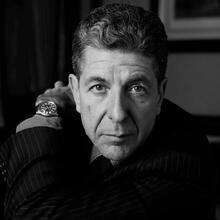
Leonard Cohen almost always ends up on my Spotify Wrapped. His gritty, sensual, laconic, husky voice resonates with my melancholic spirit. His music is enduring—sardonic, philosophical, and rhetorical. It’s his refusal to be boxed in that draws me in: his waltzing numbers, pacing and bringing in the unconventional—accordion and string quartets, diverse cultural influences, the dark comedy, and, of course, a relentless inquiry. I’m also a sucker for a good synthesizer.
Posted on February 11, 2025
My first shazam was a Stromae banger, Alors On Danse. I was at a red light hoping Shazam would find the tune before I had to drop my phone and drive. Success! Great beat, gorgeous voice, and content that made me feel something – all the more as I translated from the French. Someone on Youtube wrote, “Guy writes one of the most genius cynical takes about the false relief of clubbing. Ironically becomes one of the biggest club hits.” Exactly.
Posted on January 28, 2025
My album on repeat right now (it’s true, we bought a record player in 2024!) is Bleachers’ ‘Gone Now’ from 2017. I’m not always very current with music (you can’t keep up with everything) so I missed the early boat on Bleachers as a talent, but of all his albums – including his 2024 ‘A Stranger Desired’ – I find this one the most interesting and joyful (even if a lot of the songs are sadly nostalgic).
Posted on November 26, 2024
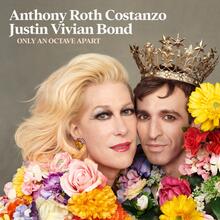
Only An Octave Apart, Anthony Roth Costanzo and Justin Vivian Bond
While researching opera for my next novel, I was introduced to the marvelously uncanny voice of Anthony Roth Costanzo, a countertenor who made a splash starring in the Metropolitan Opera’s production of Philip Glass’s Akhenaten. Browsing Costanzo’s recordings, I came across his collaboration with cabaret star Justin Vivian Bond
Posted on October 29, 2024
Whenever I listen to music, I’m searching for emotional devastation.
Before I hunker down to write, early in the morning, while the world is still dark, I will often go on long drives, blasting music that incites these feelings; those that break down my walls and allow me to reach a place of raw vulnerability. Particularly if I’m writing poetry.
Posted on August 13, 2024
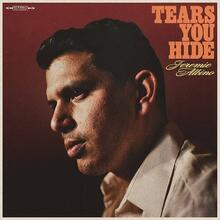
I've had Jeremie Albino's record Tears You Hide playing in fairly steady rotation at our place since seeing him at the StanFest musical festival in Canso, Nova Scotia in 2023. Albino wowed me with his strong, disarming voice and confident stage presence, and he's even better in the studio. I find the jaunty second track on this album, "Angeline," perfect for shaking off the day's stresses while I'm cooking supper in the evening. "Across the Hall" is easily the best pandemic-themed tune I've come across.
Posted on June 11, 2024
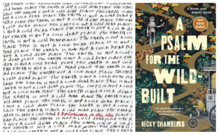
Listening: Explosions in the Sky – The Earth Is Not a Cold Dead Place
Reading: Becky Chambers – A Psalm for the Wild-Built
Posted on March 11, 2024
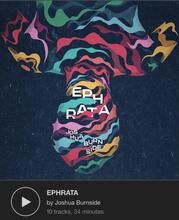
I came to poetry through music: strange rhyming songs and lullabies as a kid, an absolute obsession with lyrics as a teenager, and now as an eclectic collector of songs that remind me of poems in some way. So I’m recommending music—interesting music that you may not have heard before, Joshua Burnside’s Ephrata.
Posted on January 30, 2024
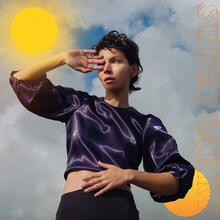
I learned of Lucky Lo’s album, Supercarry, by happy coincidence.
Needing a weeknight drink, I went to a friend’s café in Odense, Denmark, only to find the café already stuffed with guests–young and old, plain and flamboyant–hunched around the tables, a buzz of anticipation in the air.
Pages